
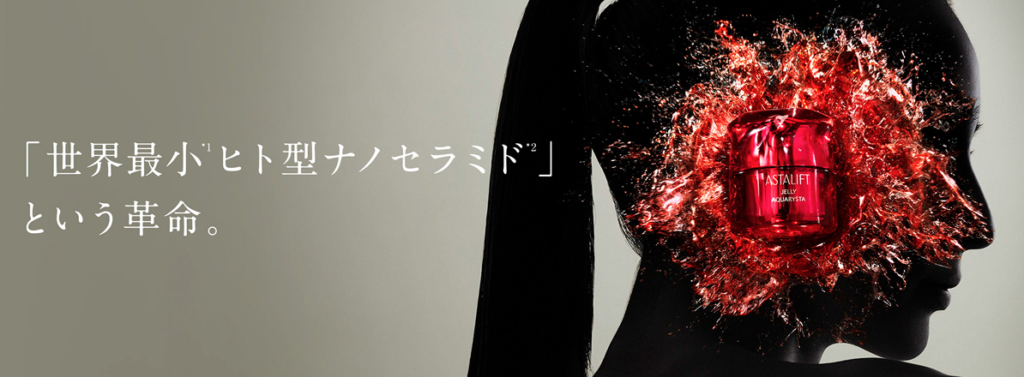
洗顔後の素顔にセラミド補給。おなじみ富士フイルムのアスタリフト、「肌がたべるジェリー」で話題のジェリー状先行美容液「ジェリーアクアリスタ」が進化して新登場しました。
アスタリフトといえば写真技術で培ったナノ化技術により、赤の美容成分「ナノアスタキサンチン」や「ナノリコピン」を商品へたっぷり配合。ナノだからこそ肌のすみずみまでしっかり浸透し、ハリやうるおいで満たされる肌へ導かれる、エイジングケアブランドとしてはかなり有名です。なんといっても目をひくのは容器の形状。ジェリーをイメージした揺れ動くような形状は美しいですね。
アスタリフトが化粧品として初めて全国発明表彰の発明賞を受賞した経歴を持つ、世界最小の「Wヒト型ナノセラミド」で新たなに挑戦するアスタリフトシリーズ売上No.1の実力にメリット、デメリットはあるのか、長年化粧品業界にいる筆者がわかりやすく解説します。
企業名: 富士フイルム株式会社
公式サイト: https://www.fujifilm.com/
アスタリフト ジェリーアクアリスタとは

ジェリー状先行美容液であるジェリーアクアリスタ。1度形が崩れても、1~2分で表面がなめらかな状態に戻る不思議なジェリーです。これはヒト型ナノセラミドを安定配合するための設計で、うるおい成分を高濃度に配合する秘密も隠されています。洗顔後、化粧水前の素肌に塗布することで、ハリを与えてくれる優れた赤の独自成分「ナノアスタキサンチン」や、世界最小ヒト型ナノセラミド、新配合の「アセンヤクエキス」など、赤いひと粒のジェリーでスキンケアのベースを作ります。
人の細胞より遥かに小さなナノの世界。アスタリフトは独自のテクノロジーを使い、1mmの100万分の1サイズでより早く、確実にしっかり浸透させます。
セラミドは肌の土台ともいえる重要な成分で、お肌の細胞と細胞の間を満たすように存在します。このセラミドがあることで肌内部の水分を外に逃がさずうるおいが保たれ、外からの刺激を進入させないバリア機能を維持することができるのです。しかし、セラミドは加齢によって減少していき、10代を100%とすると、40代では60%ほどしかありません。
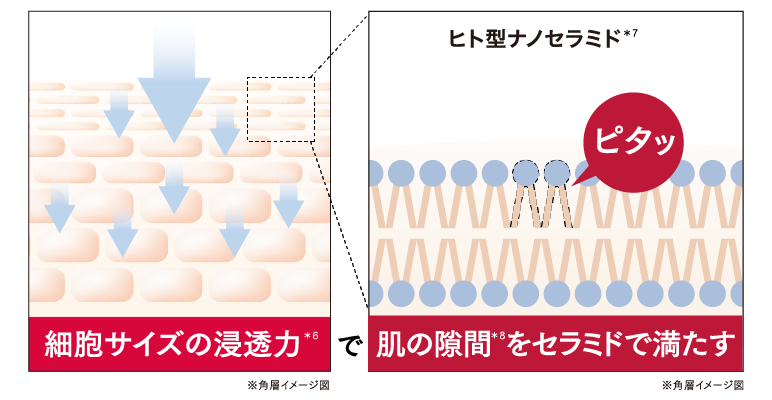
いつまでもハリやうるおいに満ちた美肌を保つためには、セラミドをしっかりケアすることが大切になってきます。そこで富士フイルムが写真フィルムの分野で培った独自のナノ化技術により、「高浸透」「高純度」「高濃度」で効率よくセラミドを肌に補うことに成功しました。
セラミドとアスタキサンチンをしっかり肌の奥まで届け、ハリとうるおいのある肌へ。それがジェリーアクアリスタです。
アスタキサンチンは抗酸化力、リコピンはお肌にハリを与える成分。どちらもそのまま配合しても浸透性や安定性が悪く、その力を発揮できませんでした。これを独自のナノ化技術で高濃度配合に成功し、ダブルの赤の力で肌のハリにアプローチします。
【うるおい成分】
Wヒト型ナノセラミド(*1)ナノアスタキサンチン(*2)ナノリコピン(*3)3種のコラーゲン(*4)アセンヤクエキス
*1 ヒト型ナノセラミド(セラミドNP、セラミドAP)とヒト型ナノアシルセラミド(セラミドEOP)をWで配合。
*2 ヘマトコッカスプルビアリス油
*3 トマト果実エキス
*4 アセチルヒドロキシプロリンを含む。
【全成分】
水、グリセリン、ベタイン、(PEG-240/デシルテトラデセス-20/HDI)コポリマー、BG、パルミチン酸アスコルビルリン酸3Na、セラミドEOP、セラミドNP、セラミドAP、アセンヤクエキス、水溶性コラーゲン、加水分解コラーゲン、ヘマトコッカスプルビアリス油、トマト果実エキス、アセチルヒドロキシプロリン、加水分解シロバナルーピンタンパク、トコフェロール、コレステロール、エチルヘキシルグリセリン、トリ(カプリル酸/カプリン酸)グリセリル、オレイン酸ポリグリセリル-10、ミリスチン酸ポリグリセリル-10、ステアリン酸ポリグリセリル-2、ミリスチン酸オクチルドデシル、ステアリン酸スクロース、レシチン、ダマスクバラ花油、ラウリルカルバミン酸イヌリン、オレイン酸、エタノール、香料、ブチルカルバミン酸ヨウ化プロピニル、フェノキシエタノール、メチルパラベン
ジェリーアクアリスタのメリット
ではまず、ジェリーアクアリスタのメリットをあげてみましょう。
メリット① 香りがいい
香りに関しては、この記事を書く前から思っていたのでメリットにあげさせていただきます。アスタリフトを試してみると、その香り高いダマスクローズのアロマに癒されることでしょう。世界に数あるバラの中でも特に香りが高く、クレオパトラも愛したといわれている香りです。

化粧品における香りはとても重要で、最近では何も香らないものを好む方が多くおられる影響か、無香料タイプも増えてきています。ただし、スキンケアをする場合お肌だけでなく心も解きほぐしてリラックスすることで相乗効果が得られるという面もあります。化粧品と香りという論文もあれば、香りで化粧品を選ぶという女性も。自分をケアする大切な時間だからこそ、最高の香りに包まれてほしいという想いがこもっています。
ジェリーアクアリスタも 店頭やジェリー体感キットでぜひ使ってみてその香りに癒されてほしいと思います。ラインを通してこの香りに包まれる幸福感はかなりのメリットかと思います。
メリット② 即効性がある
エイジングケア化粧品はある程度の期間使い続けることでお肌の違いがわかることが多いのですが、ジェリーアクアリスタの場合、使った翌朝にハリを感じた、トライアルセットだけでその効果を実感した、という口コミが多く見られました。トライアルだけでもそれだけ肌が変わるというのは使う側にとっても期待値が大きいですし、嬉しいですね。外側と内側の両方から働きかけるから即効性があるのかもしれません。
もしくは、これまでのスキンケアではうるおいが満たされていなかったということも。どんなに保湿を心がけていても、しっかり肌に浸透しなければ時間とともに乾いてしまいます。肌の奥深くに浸透し、セラミドの力でうるおいを持続させる。それにより、1日中うるおい続ける肌を得られるのかもしれません。使い続けるほどにハリ、うるおいを感じることができるのはそのためです。
メリット③ ナノの力
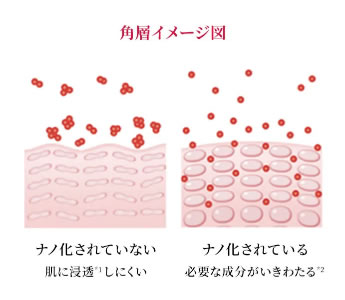
富士フイルムが写真の技術で培った人の細胞より遥かに小さなナノの世界へのアプローチ。より高い浸透力を目指して生まれたこのメリットは見逃せないポイントです。どんなに肌にいいという成分であっても、肌の奥深くに届かなければ意味がありません。肌の悩みの根本に、より早く、確実にアプローチししっかり浸透させる。すぐに、すごくキレイになりたい女性のために、科学の力で応えることができるのはナノ技術の応用あってのこと。
どうせ使うのであれば効果のあるスキンケアを。アスタリフトが売れている背景にはしっかりとした実績と結果がついてきているからだと思います。
メリット④ トライアルセットがある
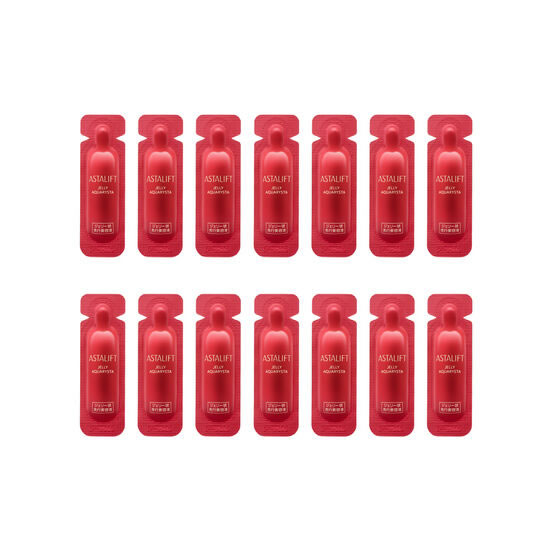
アスタリフトシリーズは決して安くはありません。思い切って購入しても、いざ使ってみたら肌に合わなかった、好みではなかったなどの失敗のリスクを考えると、いきなり本製品を購入するのは躊躇いがあるという方もいるでしょう。
しかし、アスタリフトでは通販限定にはなりますがトライアルセットの用意があります。朝夜たっぷり7日間分を1100円というお手頃価格で体験することができますのでご安心ください。
購入後はセールスの電話がかかってくることもあるようですが、さすが大企業といったところでしょうか。しつこかったりオペレーターの態度が悪かったりということはなく、もしトライアルセットを試してみて自分には合わないと感じた場合にはスムーズに断ることもできます。中には一度もかかってくることはなかったという方も多くいるようなので、電話対応が苦手な方でもあまり身構える必要はなさそうです。
メリット⑤ 詰替用がある
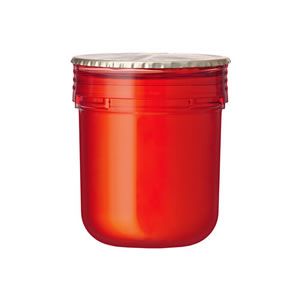
エコだけでなくコストカットの面でも魅力的な詰め替え用。アスタリフトでも多くの化粧品が詰め替え用に対応しており、ジェリーアクアリスタで見ると本品40gで9900円のところレフィル40gは9350円、本品60gで13200円のところレフィル60gは12540円で販売されています。
しかし、一般的なパックタイプの詰め替え用はボトルに入れ替えるのが面倒だったり、ボトルをしっかり洗って乾燥させないと細菌が繁殖しやすかったり、本品よりも内容量が少なく実は割高になっていたりなど、デメリットもいくつかあります。
一方アスタリフトでは詰め替え用にカートリッジタイプを採用しており、入れ替えは本品の外容器にレフィルをそのまま入れるだけで完了。洗って乾かして流し込んで…という面倒はなく、衛生的かつ簡単に交換出来るのです。内容量も本品と同じ量で用意されているため割高にもならず安心。定期コースを利用すれば2回目以降はレフィルでのお届けとなり、上記価格からさらに10~15%オフとなるため、よりお得に続けることができます。
ジェリーアクアリスタのデメリット
次に、ジェリーアクアリスタの考えられるデメリットをみていきます。
デメリット① 価格が高い
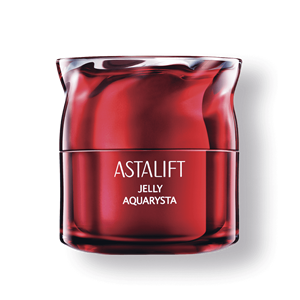
化粧品を選ぶ場合、当然ながら価格も含め検討します。ジェリーアクアリスタは40gで9900円、60gで13200円と高価格帯に属します。そのため、美容液といえど少し躊躇してしまう価格かもしれません。
高価格帯のスキンケアの場合、事前にしっかり試して肌への効果、テクスチャー、使用感に納得してから購入するのが失敗しないコツ。アスタリフトでも7日間のジェリー体感キットが1100円で購入できます。まずはこちらから試し、気に入った場合は本品購入へ移行するのがベストです。
エイジングケアは実感できるものを選ぶこと。そのためにはあれこれ試して散財するよりも、いいものを長く使うことが大切になってきます。価格をデメリットと思うのか、お肌の反応をみながら検討してみてください。
デメリット② 色に対する意見
ご覧の通り、アスタリフトは「赤」が基本です。ジェリーアクアリスタも赤い色で、それによって肌に色素沈着を起こすことはありませんが、やはり赤色に抵抗がある人も。
また服やタオルなどに着いてしまった場合は、時間が経ってしまうと何度洗濯しても落ちないということもあるようですのでその場でしっかり洗ったほうがいいです。特に首元まで塗るときには服に着きやすいので気を付けましょう。
アスタキサンチンとナノリコピン、Wの赤のチカラの象徴ともいえる色ですので今後も変わることはないと思います。私は逆に効果がありそうで好きです。抵抗のある人も、一度使えばそのよさがきっとわかるはず。お肌に伸ばせばまったくわからないほどに透明になりますよ。まずは体感キットでじっくりしっかり試してみてください。
デメリット③ ラインナップの多さ
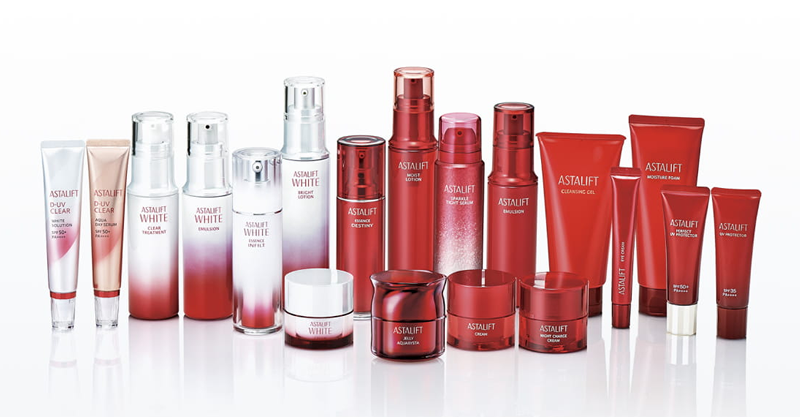
アスタリフトは多くのラインナップがあり、その数も他社と比較すると多い印象です。基本のハリ・うるおいケアをはじめ、美白・ハリケア、スペシャルケア、UVケア、ベースメイクからヘアケアまで、実に多くの品揃え。メイク落としは2種類、オイルとジェルがあり、また夜用クリーム、目元用クリームなど、どれを使えばいいのかな?と思ってしまう方もいるでしょう。
エイジングケアブランドならではの種類の豊富さは、裏を返せば自分が必要なものだけ取り入れてもらえればいいというスタンスかもしれません。肌悩みは人によって異なり、保湿重視の人、美白、シワ、シミ、くすみなど、すべてをカバーできるものは作ることができません。そのため、商品展開はできるだけ多く、ニーズをカバーできるよう工夫されているのかもしれません。
まずは1商品使ってみて、よければ少しずつ増やしていくという使い方でもしっかり効果を感じることができるはず。実際多くの方がライン使いをしていますが、まずは化粧水から入った、UVがよかったから、などという意見が多く見られました。今回ご紹介しているジェリーアクアリスタはアスタリフトシリーズ売上No.1の実力を誇るアイテムですので、今のスキンケアに物足りなさを感じている方の”まずは1商品”にうってつけのアイテムではないかと思います。
ジェリーアクアリスタの口コミは

アスタリフトのファンは多く、ライン使いをしている方も多いようです。どのような点が気に入っているのか調べました。
プルプルのジェリー状美容液が素早く肌に馴染む感覚が病みつきです。スッと浸透し、後肌はサラッとしています。でも保湿力が物足りない訳ではなく、きちんと内側が潤って肌の密度が上がってむっちりした感覚になります。そして使い続けるごとにどんどん肌にハリが出てくるので、日を追うごとにプリプリした肌になれます。私は目の下のシワとほうれい線がとても酷かったのですが、これを使い始めてからどちらもかなり改善されました。
この先行美容液、ほんっとよく肌に入るんですよね。いつまででも塗ってられそうな勢いで、しかもそのあとの化粧水もぐんぐん入る。普段どれだけ乾燥してるのか…お肌にどれだけ潤いって必要なのかを実感できるスキンケア商品。
母娘共々大ファンです!塗った直後から肌がピッと張り、引き上げてくれてるー!という感じがします!それでいて、翌日の肌の感じはしっとり。ジェリー状なのにベタつかず、さっぱりと使えるところが気に入っています。冬ももちろんいいですが、夏にはことさら使用感がよく感じます。目元に使うと、張りが出るので、朝にも目元のみ使用しています。年代を問わず使えるので、これからも愛用していきたいです。
めっちゃ高いんですが、約1万円出して買う価値があります!肌が待ってました!!という感じでどんどん浸透していきます!これを使うのと使わないのとでは、化粧水・美容液の浸透の仕方が全然違います!!!
アスタリフトというと5,60代向けのイメージがあるかもしれませんが、実際はお肌の曲がり角である30代半ばから使い始める方もいるようです。導入美容液だけに、その後の化粧水の入りが違う、翌朝の肌がうるおっている、たるみを引き上げてくれる。そんな即効性と実感をもって喜びの声となっているようです。
また先述したように香りに満足している方も多く、忙しい合間のスキンケアに癒されるという口コミも。アスタリフト全般で言えば、保湿力は高いのにべたつかず内側からのうるおいを感じることができるという点も高評価のポイントです。使えばわかる、翌朝の肌の状態が違うということは体感キットだけでも感じるようですので、一度体験してみるといいでしょう。本製品はちょっと高くて・・・と悩んでいる方も気づけば虜になっているかもしれません。
スキンケアはライン使いが推奨されていますが、ジェリーアクアリスタは単品使いでも肌が変わると高く評価されています。価格で迷われているのであれば、まずは導入美容液から。世界最小クラスWヒト型ナノセラミド配合の赤のパワーで、年齢に負けない肌づくりを始めてみてはいかがでしょう。
ジェリーアクアリスタのターゲットは?

アスタリフトのブランドは40代以降の女性をターゲットとしているイメージがありますが、ジェリーアクアリスタの口コミを見ていると30代の女性の愛用者も多く、幅広い年齢層から愛されているようです。
ジェリーアクアリスタの効果であるハリとうるおい不足。年齢とともに深刻化するその悩みですが、早ければ30代前半から感じ始める方もいます。ハリとうるおい不足をそのままにしているとシワやくすみ、たるみなど様々なエイジングサインへと繋がる恐れもあり、エイジングケアとして30代前半からジェリーアクアリスタをの使用を始めることは決して早くはないのです。
また、20代を過ぎると減少していくと言われている美肌の必須成分セラミドを効率よく取り入れることもできるため、肌の変化を感じやすいのは40代・50代かもしれませんが、未来の肌のことも考えると20代も含め全世代の女性にメリットがありおすすめです。
定期購入にデメリットはある?
アスタリフト愛用者の多くが加入しているという定期お届けサービス。やはり最大のメリットは割引価格で購入できるという点でしょう。アスタリフトの定期お届けサービスの仕組みは少しだけ複雑で、購入金額に応じて決まるグレードによって割引率が変わります。
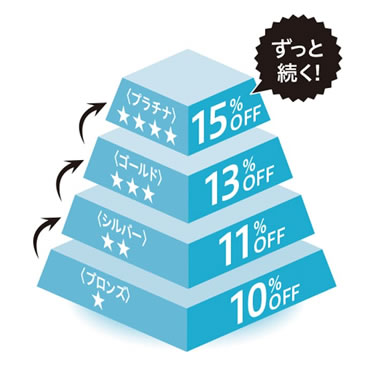
はじめはブロンズの10%割引からスタート。そこから半年間のお買い上げ累計額が税込20,000円(割引・クーポン適用後)を超えるごとにグレードが1段階ずつアップしていき、最大のグレードであるプラチナでは15%割引、40g(約1.5ヶ月分)のレフィルなら8,000円以下で購入することができます。
| グレード | 割引率 | 60g | 40g |
|---|---|---|---|
| 通常価格 | 割引なし | 13,200円 | 9,900円 |
| ブロンズ | 10%割引 | 11,880円 | 8,910円 |
| シルバー | 11%割引 | 11,748円 | 8,811円 |
| ゴールド | 13%割引 | 11,484円 | 8,613円 |
| プラチナ | 15%割引 | 11,220円 | 8,415円 |
| グレード | 割引率 | 60g | 40g |
|---|---|---|---|
| 通常価格 | 割引なし | 12,540円 | 9,350円 |
| ブロンズ | 10%割引 | 11,286円 | 8,415円 |
| シルバー | 11%割引 | 11,161円 | 8,322円 |
| ゴールド | 13%割引 | 10,910円 | 8,135円 |
| プラチナ | 15%割引 | 10,659円 | 7,948円 |
さらに、定期お届けサービスで購入している商品が1つでもあれば、他の商品を単品で購入する際も10%OFFの特別価格で購入することができるというので驚きです。
必ず受け取らなければいけない回数に決まりはなく、お届け予定日の10日前までの連絡で次回お届け日や間隔の変更、休止や再開などいつでも対応してくれるということですので気軽に、安心して始めることができますね。
グレードによる割引率の適用は定期購入商品のみですが、グレードが決まるお買い上げ累計額には単品で購入した分も含まれるため、定期お届けサービスはアスタリフトを続けるほど、どんどんお得になっていくサービスです。アスタリフト製品の中でも高価格帯のジェリーアクアリスタですので、使わない手はないのではないでしょうか。ぜひ活用してみてください。
まとめ

加齢、ストレスで少しずつ減っていくセラミド。ジェリーアクアリスタはリニューアルしてさらにセラミドを外側からだけでなく内側からも築くアプローチを助けてくれるようになりました。
最近ではその後のスキンケアの入りがよくなる導入美容液が増えてきています。どんなにいいと言われる化粧品を使っても、しっかりと肌の奥深くに浸透しなければ意味がありません。特に年齢肌の悩みである慢性的なうるおい不足、くすみ、たるみ、シワに対しては根本からの解決が必要不可欠です。富士フイルムが独自技術でナノ化した成分を、ナノの力で肌のすみずみまで届ける。他社には真似のできない技術がここにあります。
年齢とともにお肌に自信をなくしていく前に、その原因であるセラミドの減少に働きかけ、よりハリとつや、うるおいのあるお肌を目指しましょう。アスタリフトはライン使いがおすすめです。よりアスタキサンチンやナノリコピンの成分をお肌に届けるため、富士フイルムでしかできなかった独自の技術を駆使したアスタリフトシリーズでお肌に自信を与えてください。
こちらの記事も読まれています
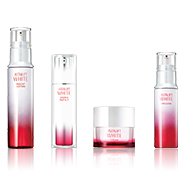
アスタリフトホワイトのメリット・デメリットについて専門家がわかりやすく解説!
ハリ、弾力、美白に特化した「アスタリフトホワイト」。美白スキンケアは数あれど、なぜ今アスタリフトホワイトなのか、そのメリット、デメリットについて解説します。アスタリフト注目の最新作【白のジェリー】こと、ホワイトジェリーアクアリスタについてもこちらでご紹介しています。